Quand | When
16.09.2026 | 19h30
17.09.2026 | 19h30
Où | Where
la lumière collective
Média | Media
16mm et numérique
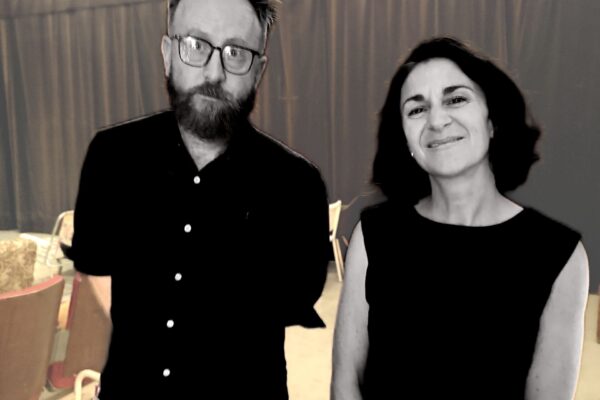
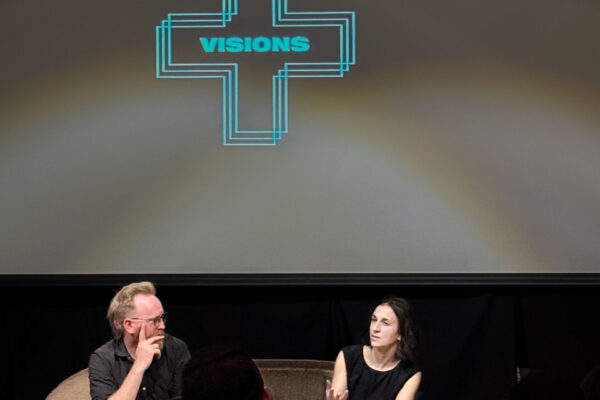
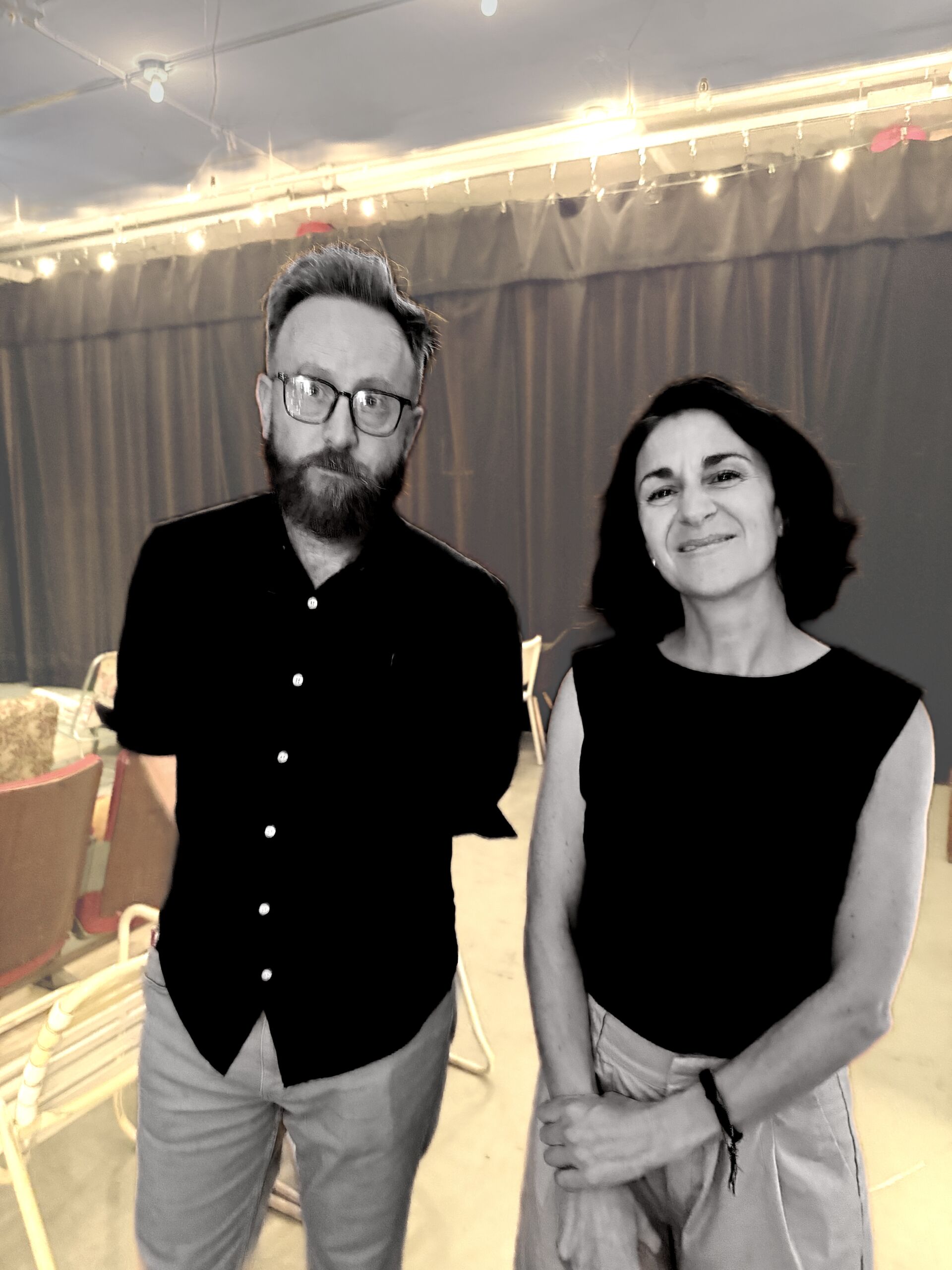
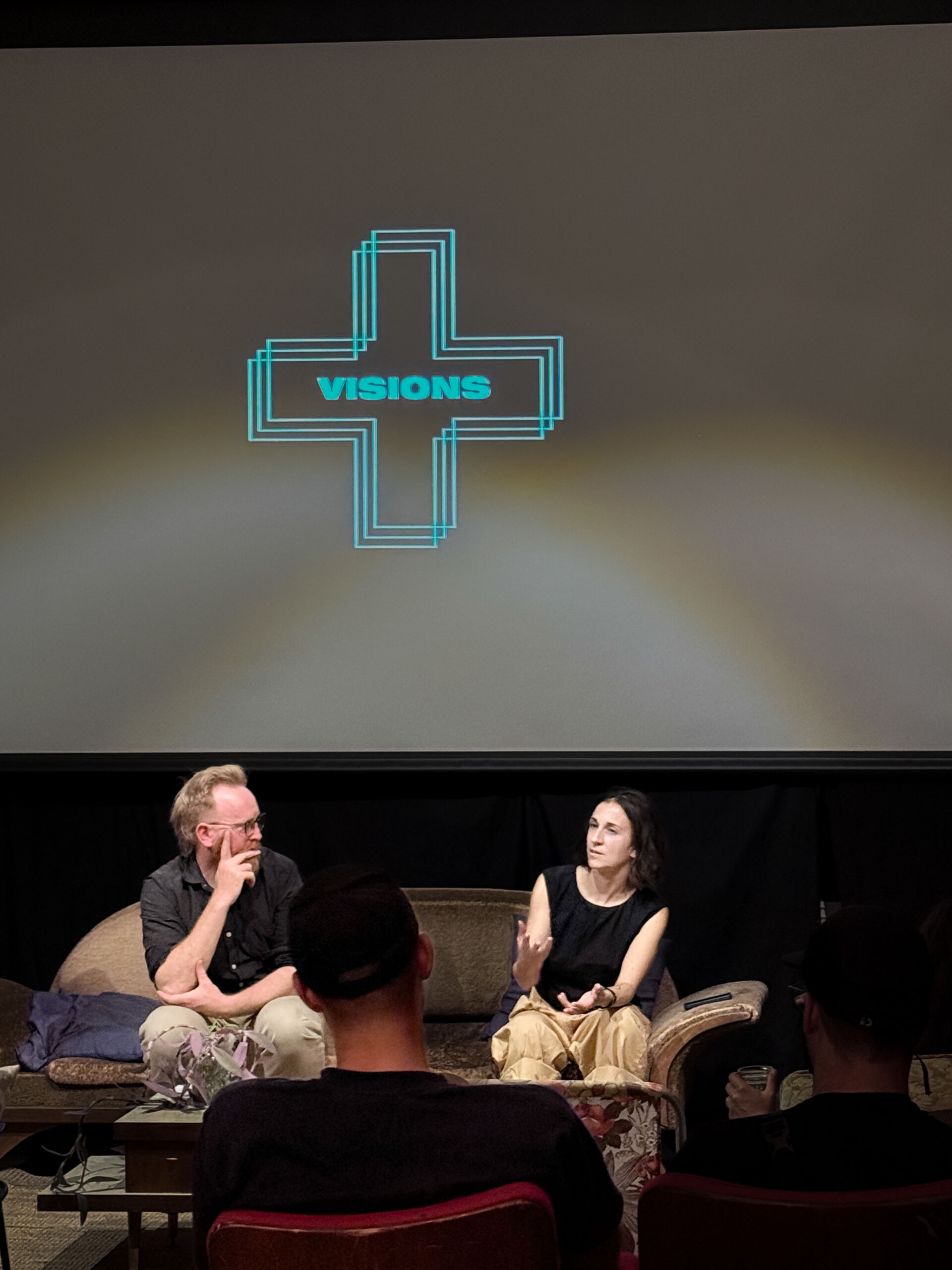
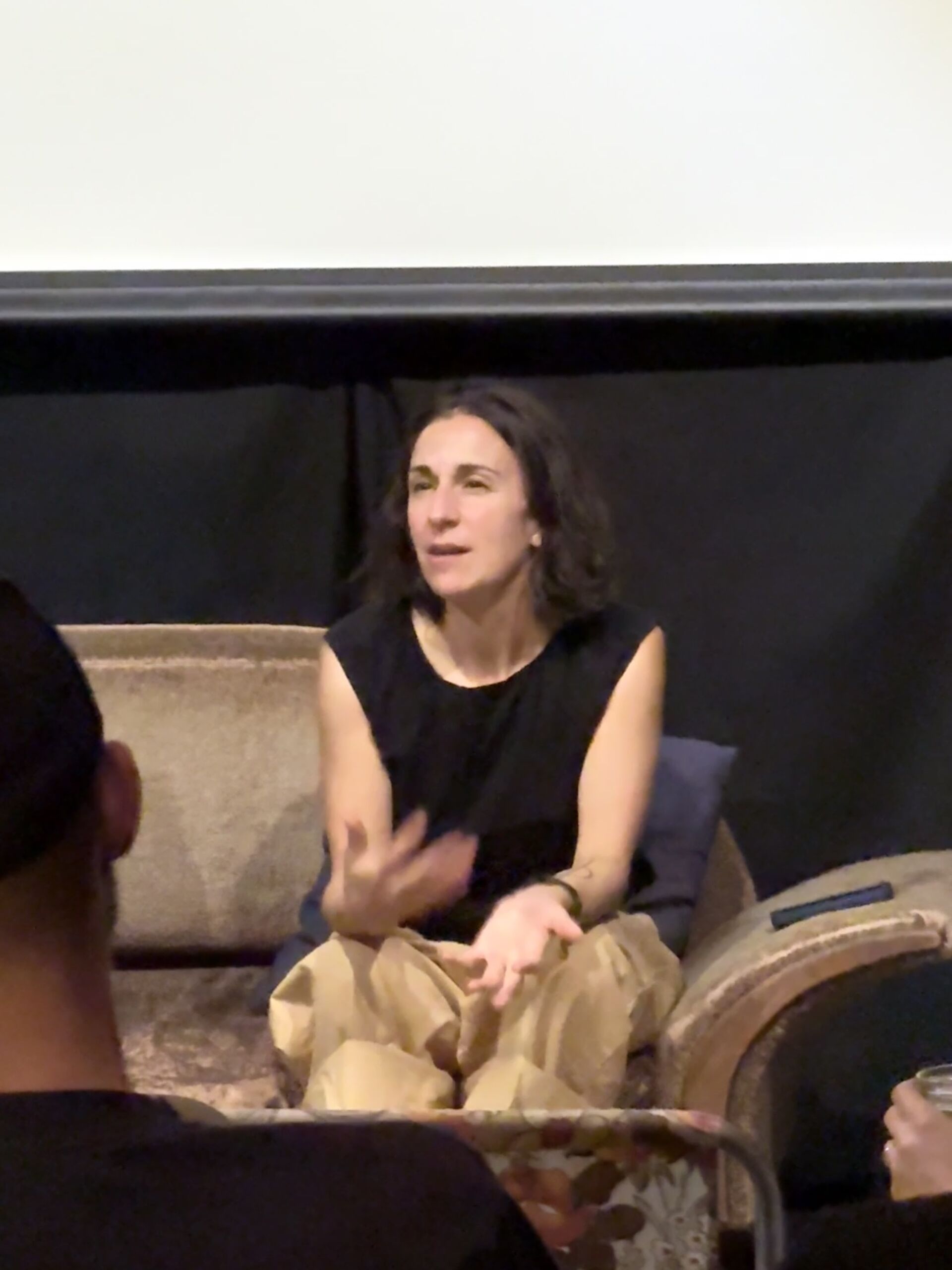
En présence de Julia Yezbick
Billets | Tickets
Avec | With

“Filmmaking is a shared meal, a relational engagement, a vulnerability, a bruised peach, a mumbled “i love you,” a vague familiarity, an imperfect utterance, static on the line, an ephemeral gift, a chalk drawing, a helium balloon, a conversation, a process of inquiry, a gentle prod, a question masquerading as a poem.” – Julia Yezbick
JULIA YEZBICK
Julia Yezbick (née en 1980) est cinéaste, artiste et anthropologue. Elle est titulaire d’un doctorat en anthropologie des médias et pratiques médiatiques critiques de l’université de Harvard, ainsi que d’un master en anthropologie visuelle de l’université de Manchester. La pratique de Julia Yezbick s’inscrit principalement dans le cadre du documentaire expérimentale et aborde des thèmes tels que le travail, le mouvement et le corps, le féminisme, ainsi que des réflexions sociales sur des questions allant de l’ethnicité et du genre au logement et aux transformations urbaines. Son travail, qui mélange cinéma, vidéo, audio, écriture et installation, a été présenté dans divers festivals et lieux internationaux, notamment au Festival international du film de Berlin, à l’Art Gallery of Ontario, à la New York Library for Performing Arts, au Station Arts Space (Beyrouth), au Festival du film d’Ann Arbor, dans le cadre de la série Broad Underground Film (Lansing), au sein de l’AgX Film Collective (Boston), au Musée d’art contemporain de Détroit et au Grand Rapids Art Museum. Yezbick vit et travaille à Détroit, où elle dirige le Mothlight Microcinema et occupe le poste de professeure adjointe de cinéma à l’université Wayne State.
Julia Yezbick (b.1980) is a filmmaker, artist, and anthropologist. She received her PhD in Media Anthropology and Critical Media Practice from Harvard University and an MA in Visual Anthropology from the University of Manchester. Yezbick’s creative practice is primarily one of experimental nonfiction addressing topics of labor, movement and the body, feminism, and social commentary on issues ranging from ethnicity and gender to housing and urban transformations. Her work uses film, video, audio, writing, and installation, and has been exhibited at various international festivals and venues including the Berlin International Film Festival, the Art Gallery of Ontario, the New York Library for Performing Arts, Station Arts Space (Beirut), the Ann Arbor Film Festival, the Broad Underground Film series (Lansing), the AgX Film Collective (Boston), the Museum of Contemporary Art, Detroit, and the Grand Rapids Art Museum. Yezbick lives and works in Detroit where she directs Mothlight Microcinema and is an Assistant Professor of Film at Wayne State University.
PROGRAMME 1 : LES FILMS DE JULIA YEZBICK
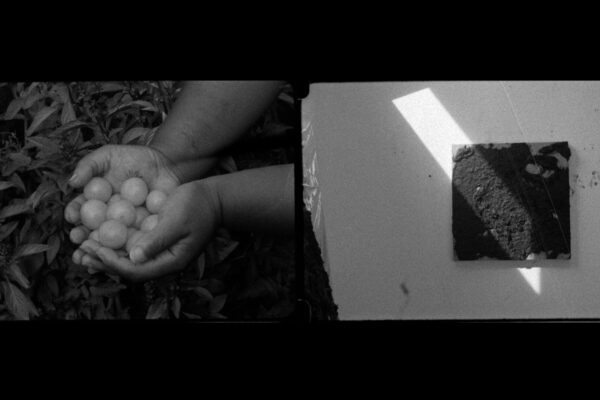
16.09.2026 | 19h30 | la lumière collective | 48 mins
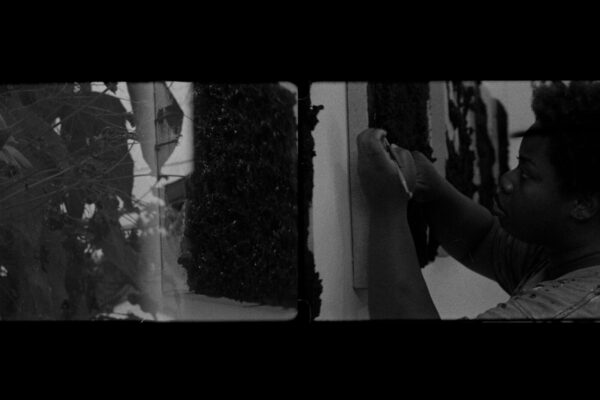
Julia Yezbick | 2026 | 16mm vers numérique | 3 mins
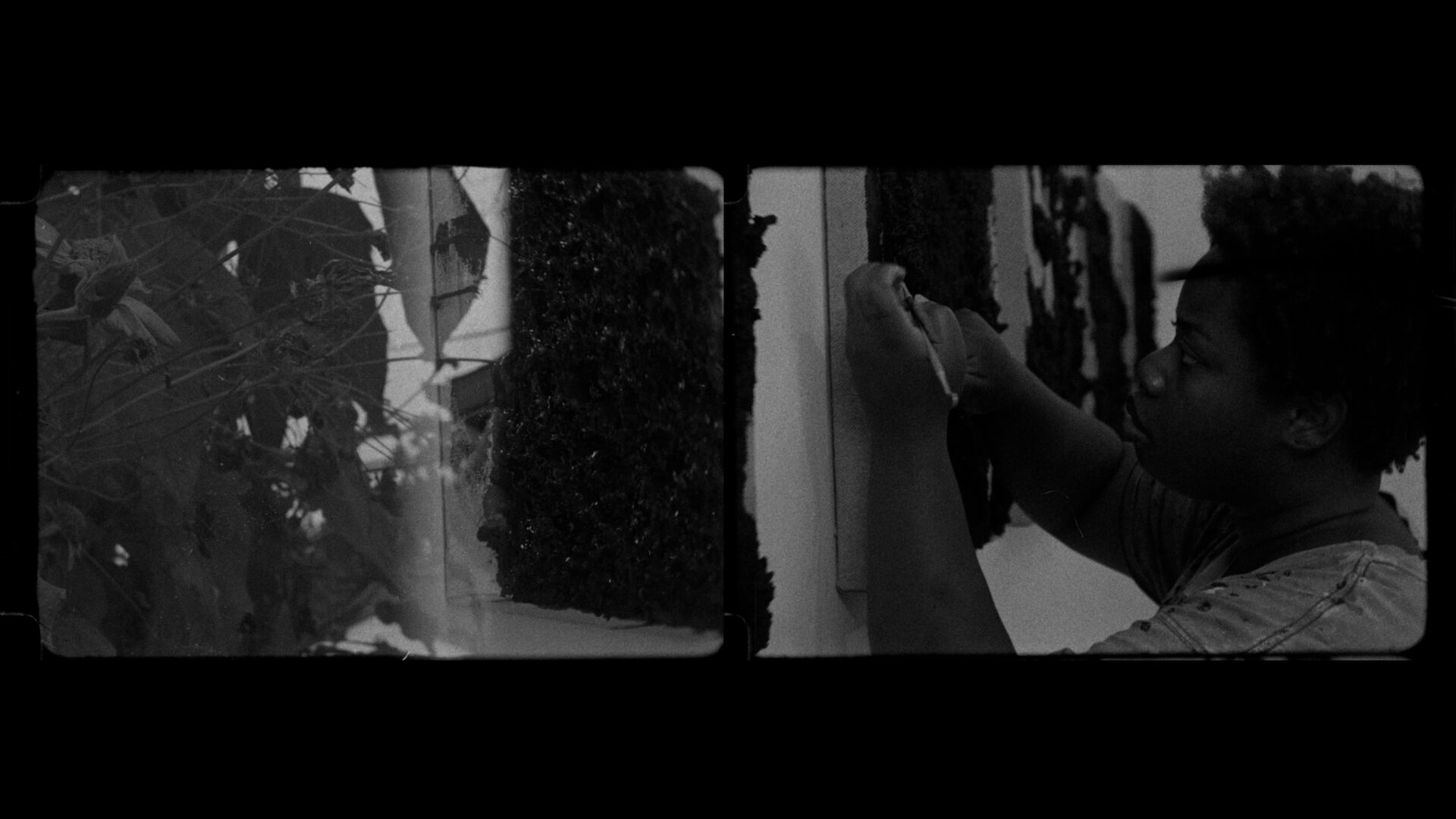
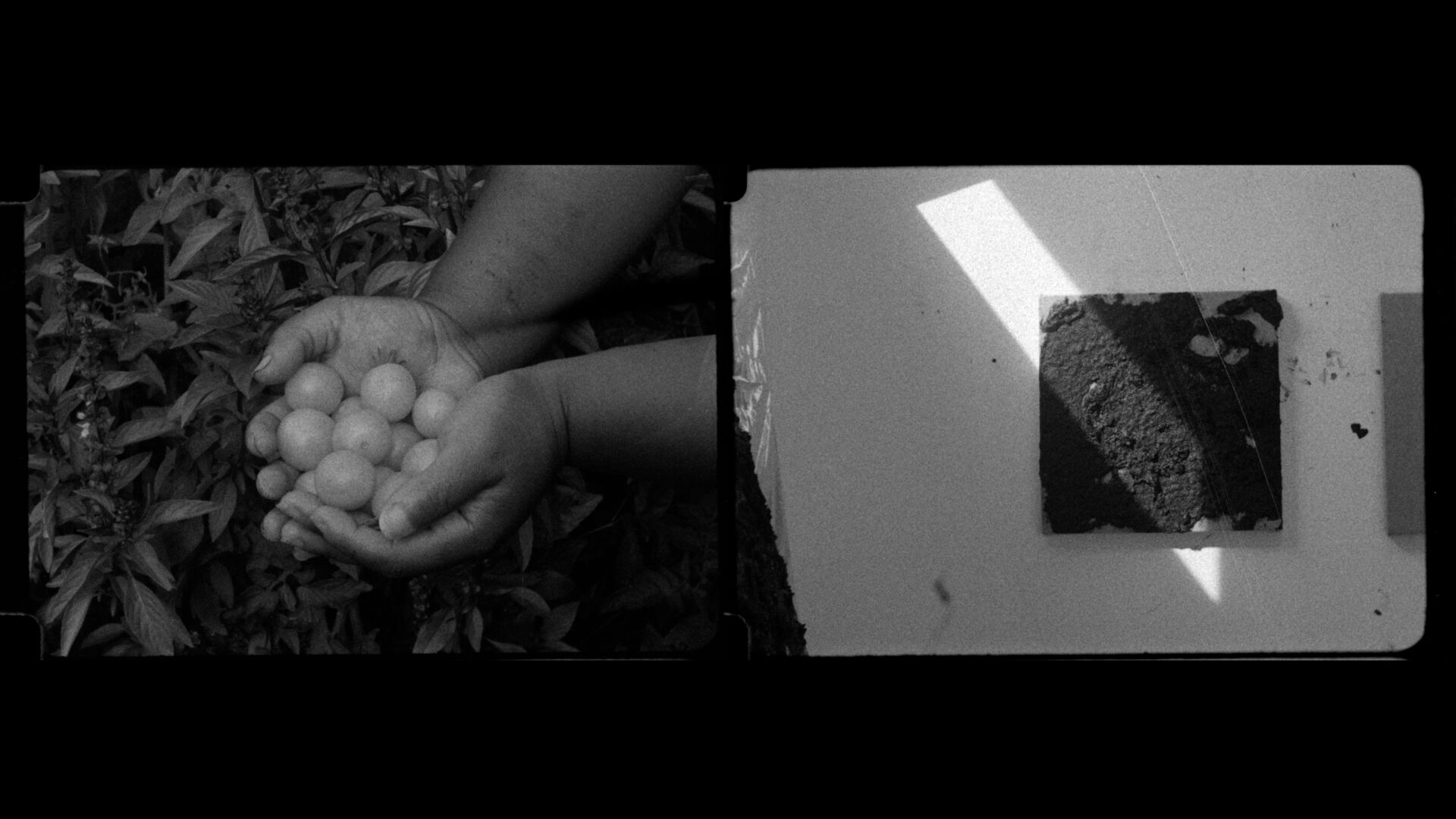
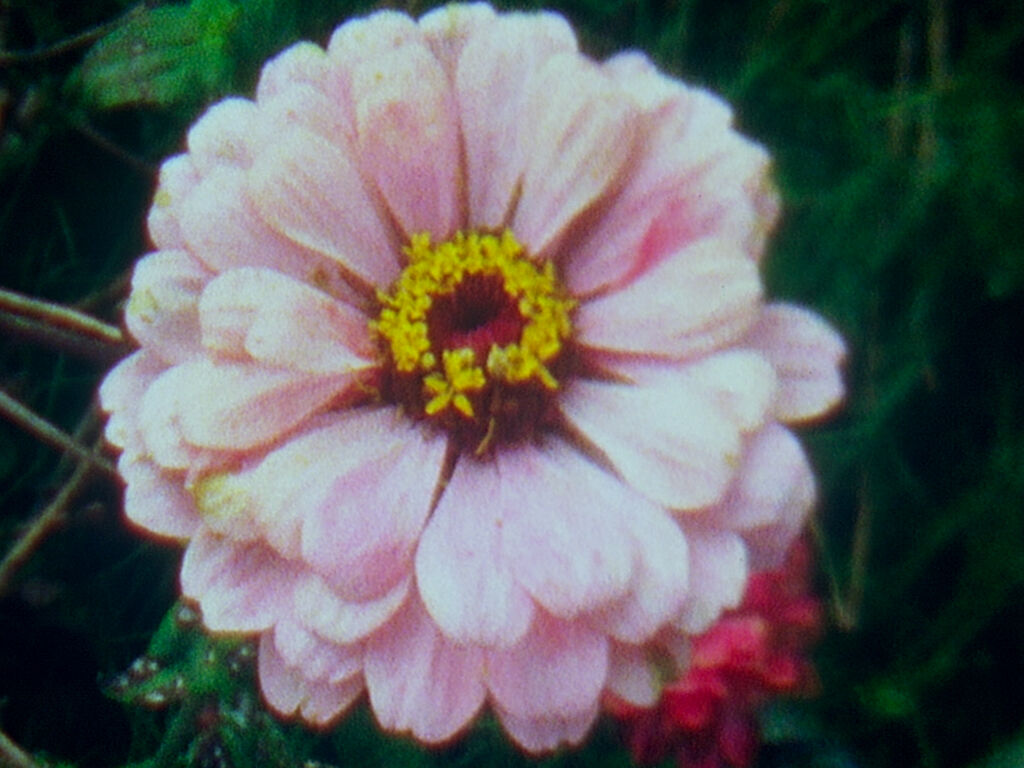
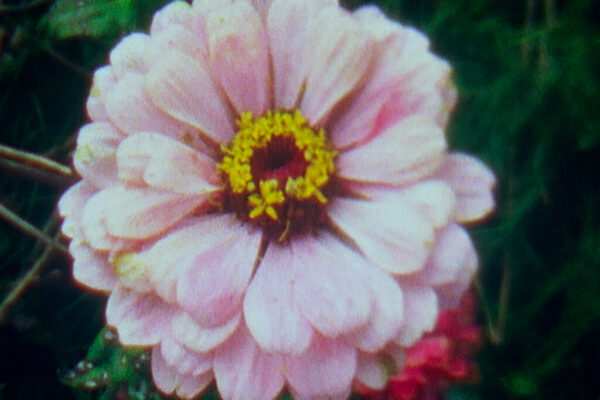
Une pratique artistique ; réflexion sur les générations et les liens entre la terre, les graines, le patrimoine et la colle capillaire. Un bref portrait de l’artiste Allana Clarke à l’œuvre dans son jardin et son atelier.
A working practice; thinking through generations and the connections between dirt, seeds, heritage, and hair glue. A short portrait of artist Allana Clarke working in her garden and studio.
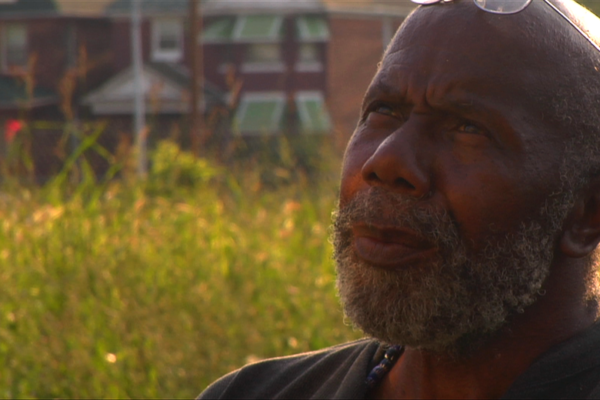
Julia Yezbick | 2016 | super 8 & numérique | 26 mins
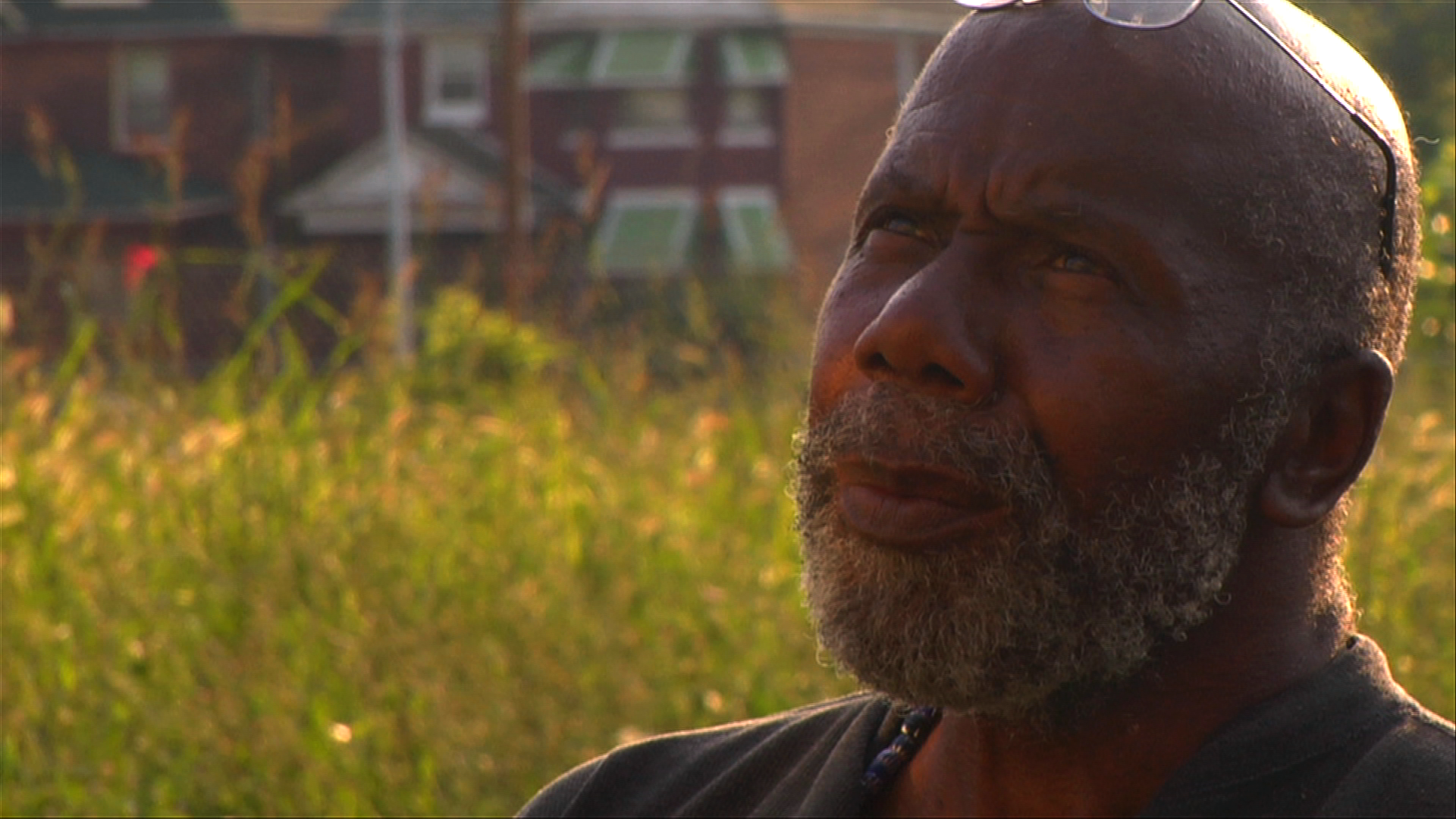
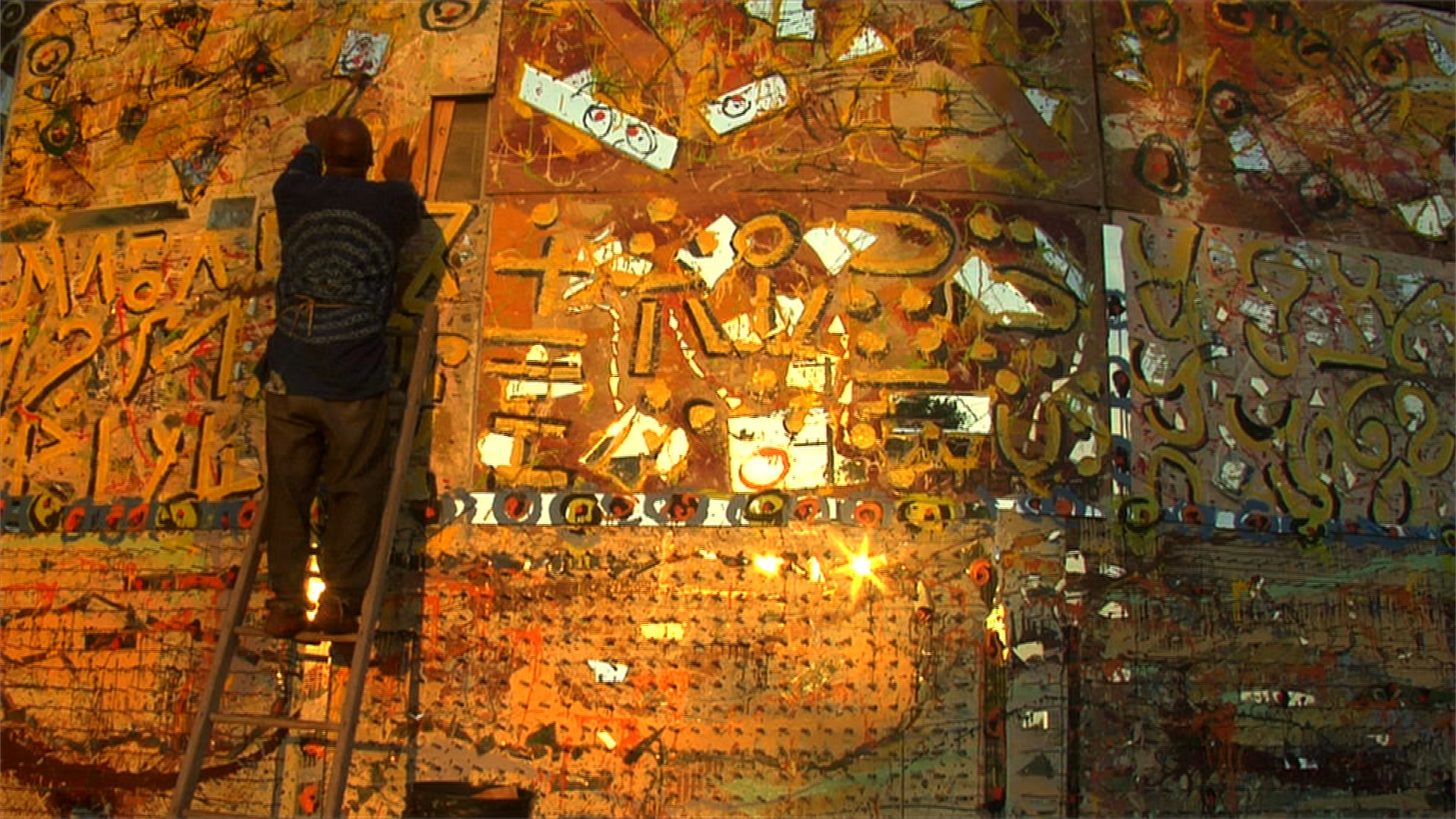
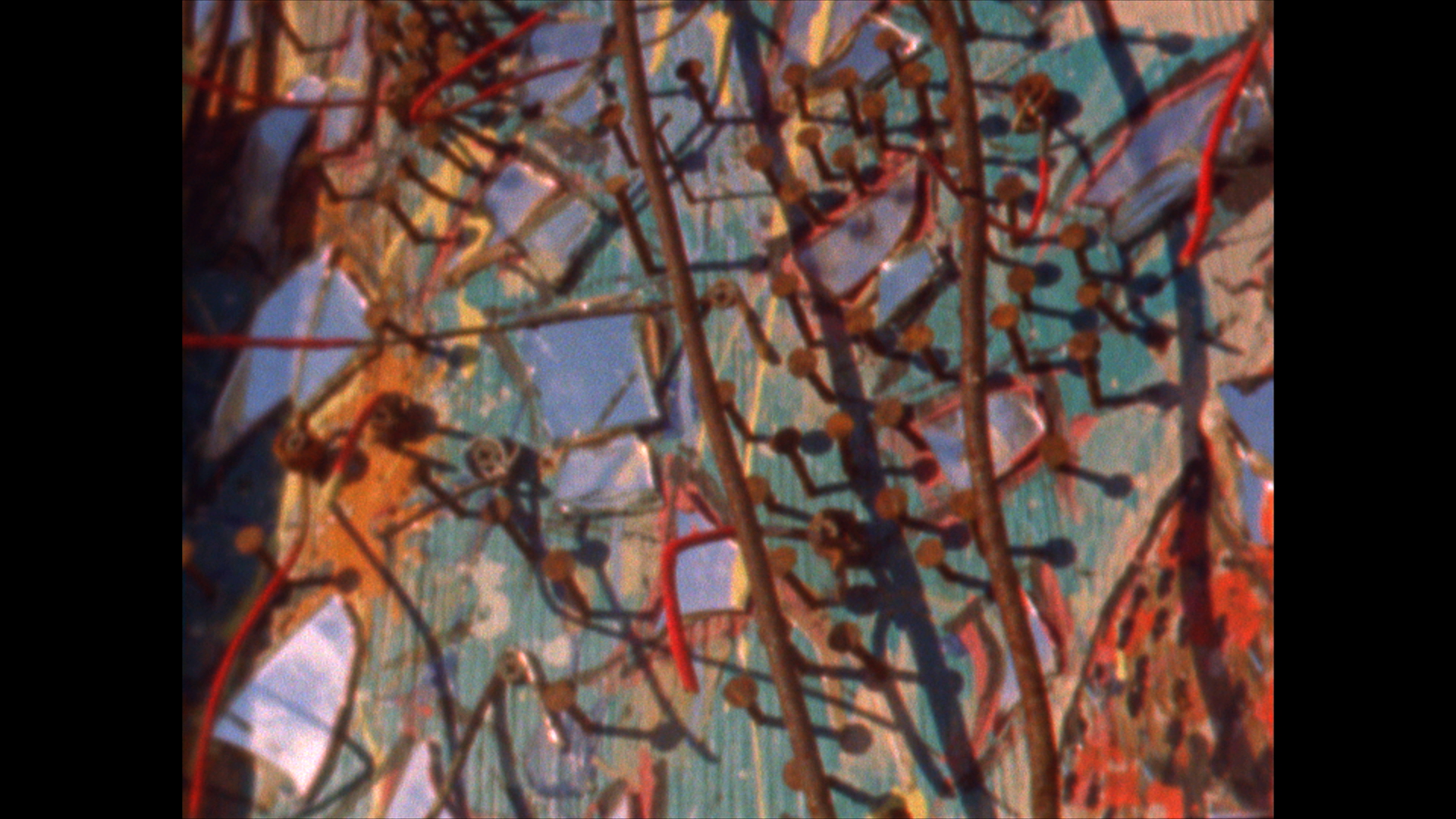
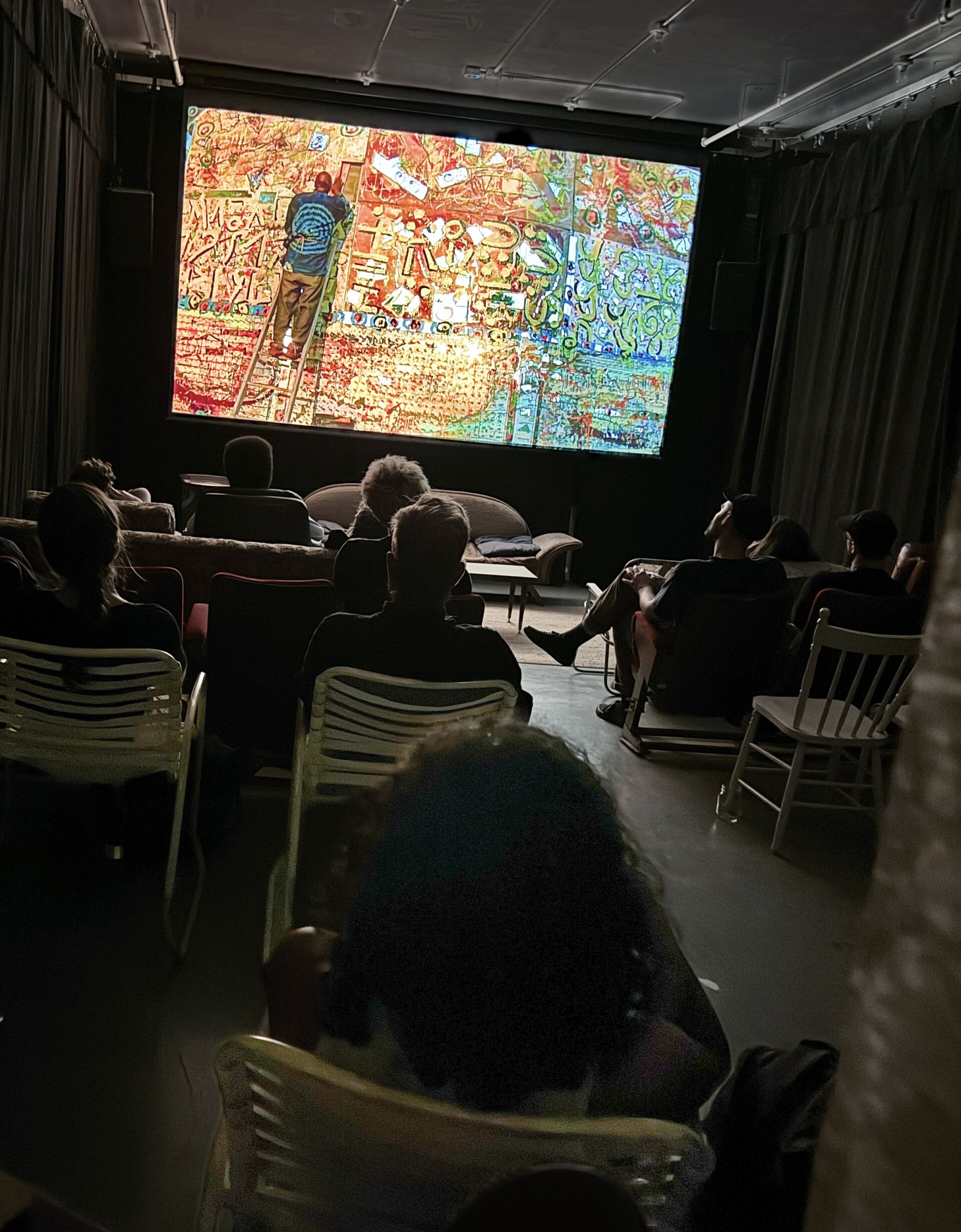
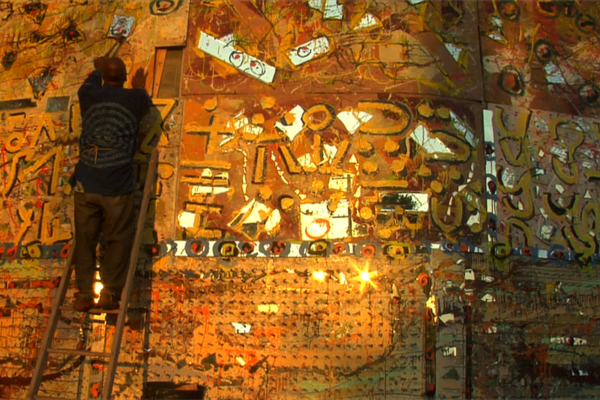
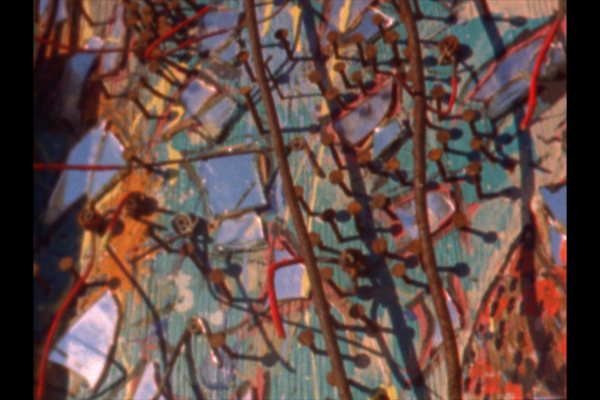
How to Rust est un film-essai qui explore la zone de chevauchement entre la production de biens matériels et celle des récits historiques. Le conteur de Détroit, Olayami Dabls, décrit son installation Iron Teaching Rocks How to Rust comme une métaphore de l’assimilation forcée des Africains à la culture et à la langue européennes, faisant référence aux préjugés raciaux encore présents aujourd’hui. Le bricolage que Dabls opère sur le paysage postindustriel devient un commentaire implicite sur la demi-vie du fordisme, tandis que le film tisse une fable racontée à travers le fer, le bois, les pierres et les miroirs. Alors que la relation entre la production culturelle et le lieu est en train d’être redéfinie, How to Rust s’interroge sur la manière dont nous mythifions une gloire passée et façonnons un avenir imaginaire.
How to Rust is an essay film that explores the space of overlap between the production of material goods and the production of histories. Detroit storyteller, Olayami Dabls, describes his installation Iron Teaching Rocks How to Rust as a metaphor for the forced assimilation of Africans to European culture and language, referencing racial biases still present today. Dabls’ bricolage of the postindustrial landscape becomes an implicit commentary on the half-life of Fordism as the film weaves a fable told in iron, wood, rocks, and mirrors. As the relationship between cultural production and place is being recast, How to Rust comments upon how we mythologize a former glory and shape an imagined future.
Julia Yezbick | 2023 | numérique | 3 mins
Une saxophoniste médite sur le lien qui l’unit à ses ancêtres, à leur vie et à leur terre du Mississippi, à travers une improvisation aux accents de blues portée par le vent d’automne.
A saxophonist contemplates her connection to her ancestors, their lives, and their Mississippi land through bluesy improvisation carried on autumn wind.
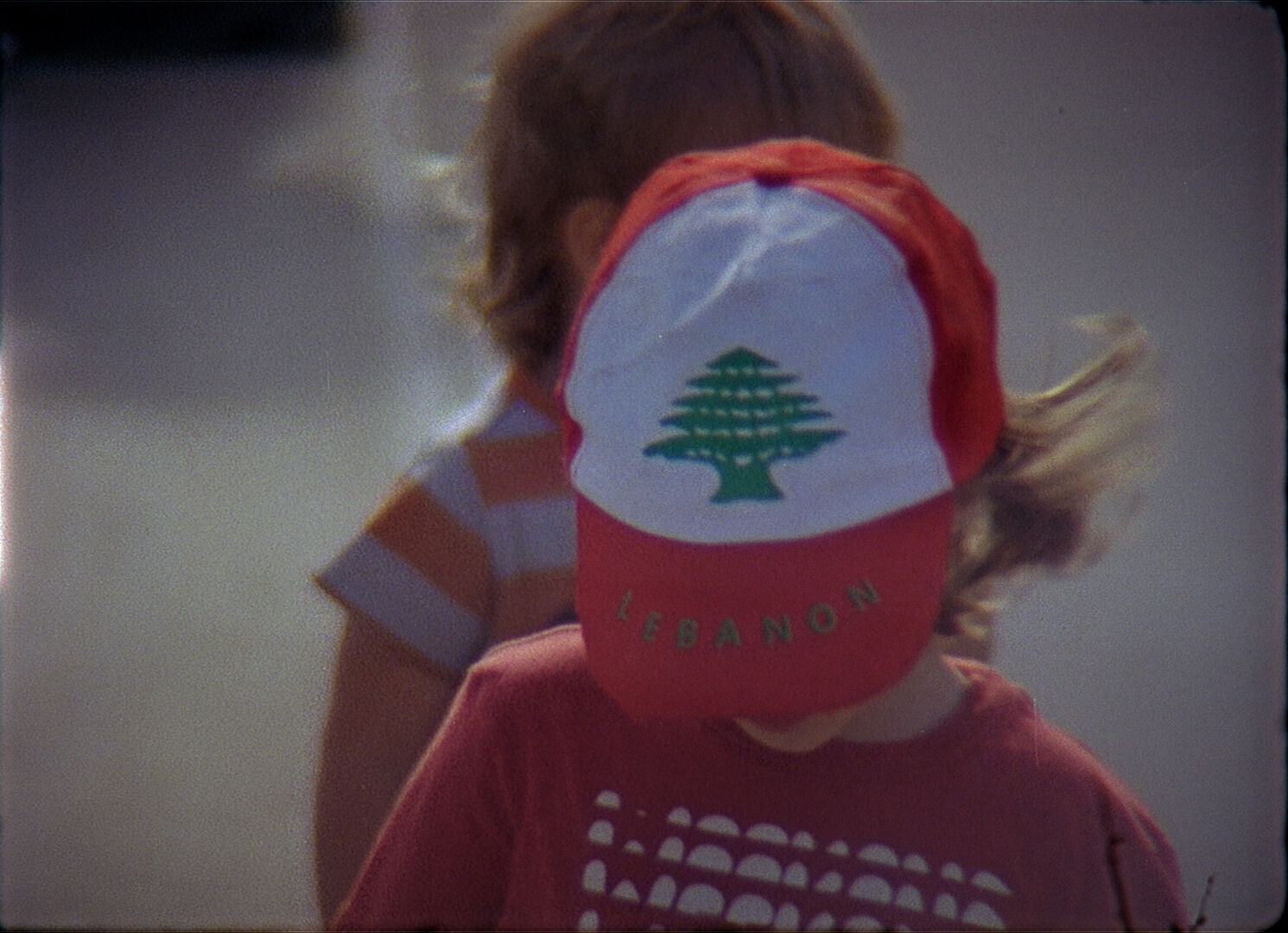
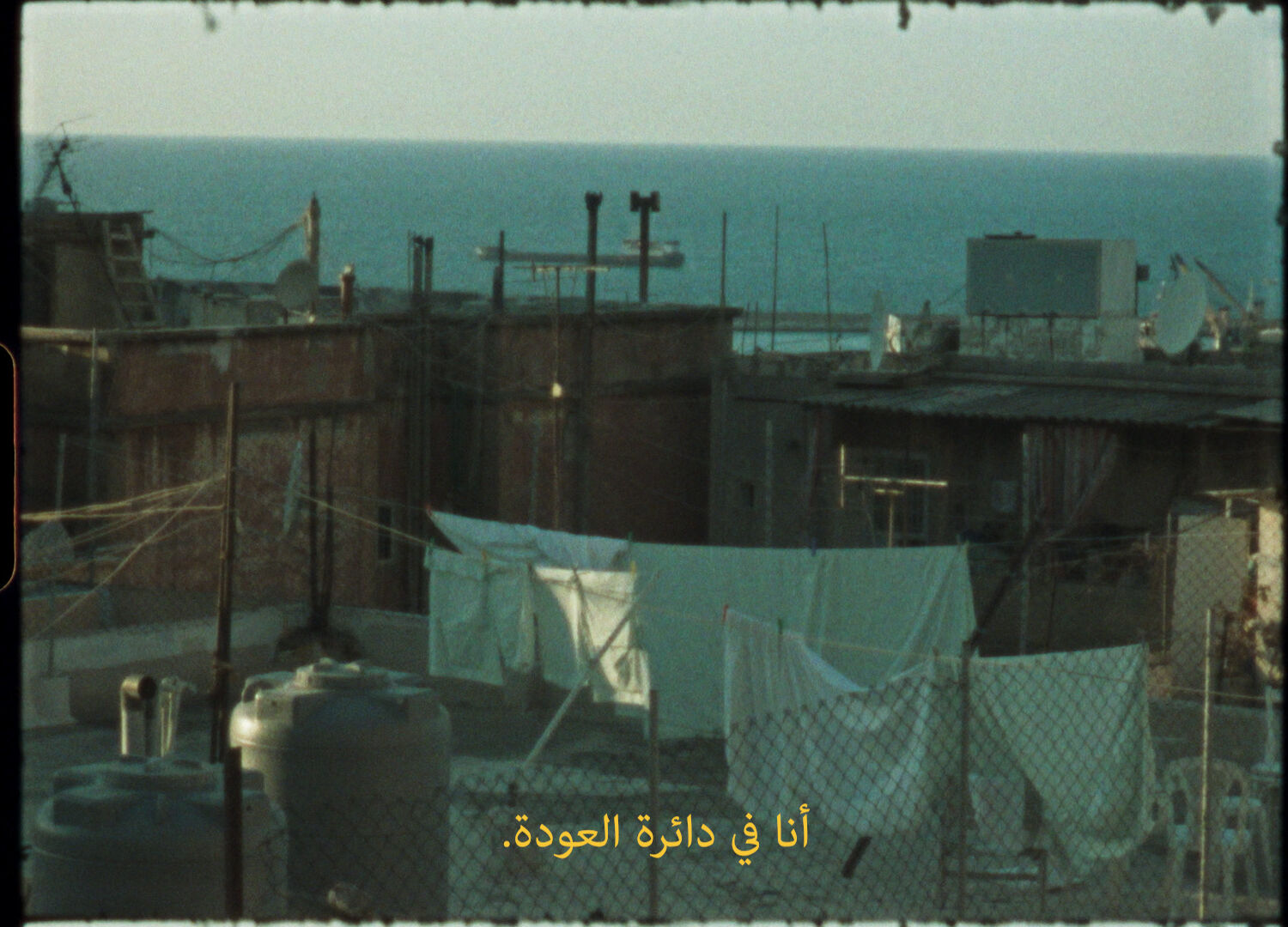
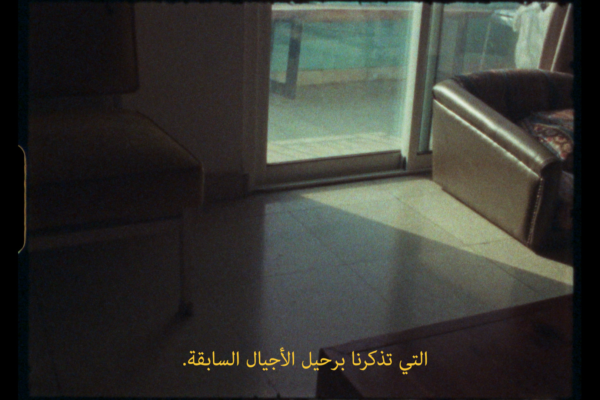
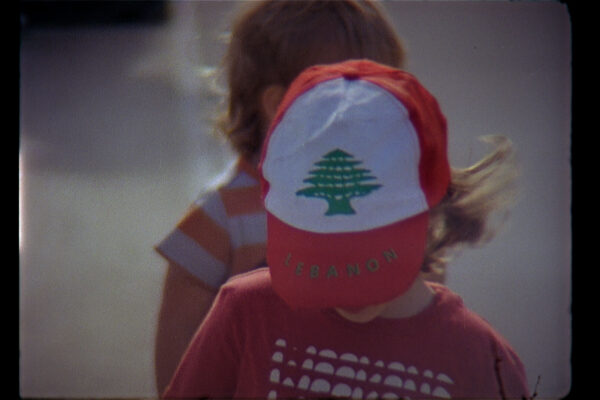
Julia Yezbick | 2025 | 16mm et super 8 vers numérique | 25 mins
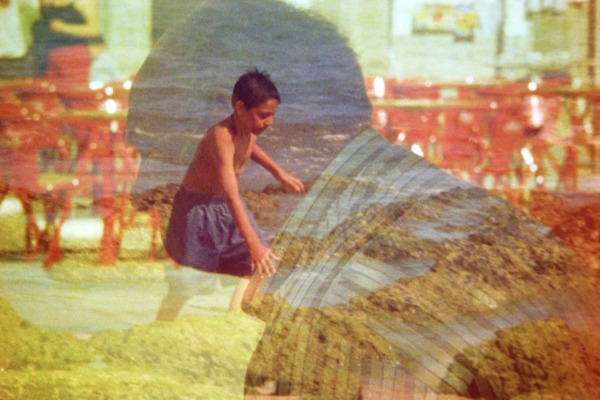
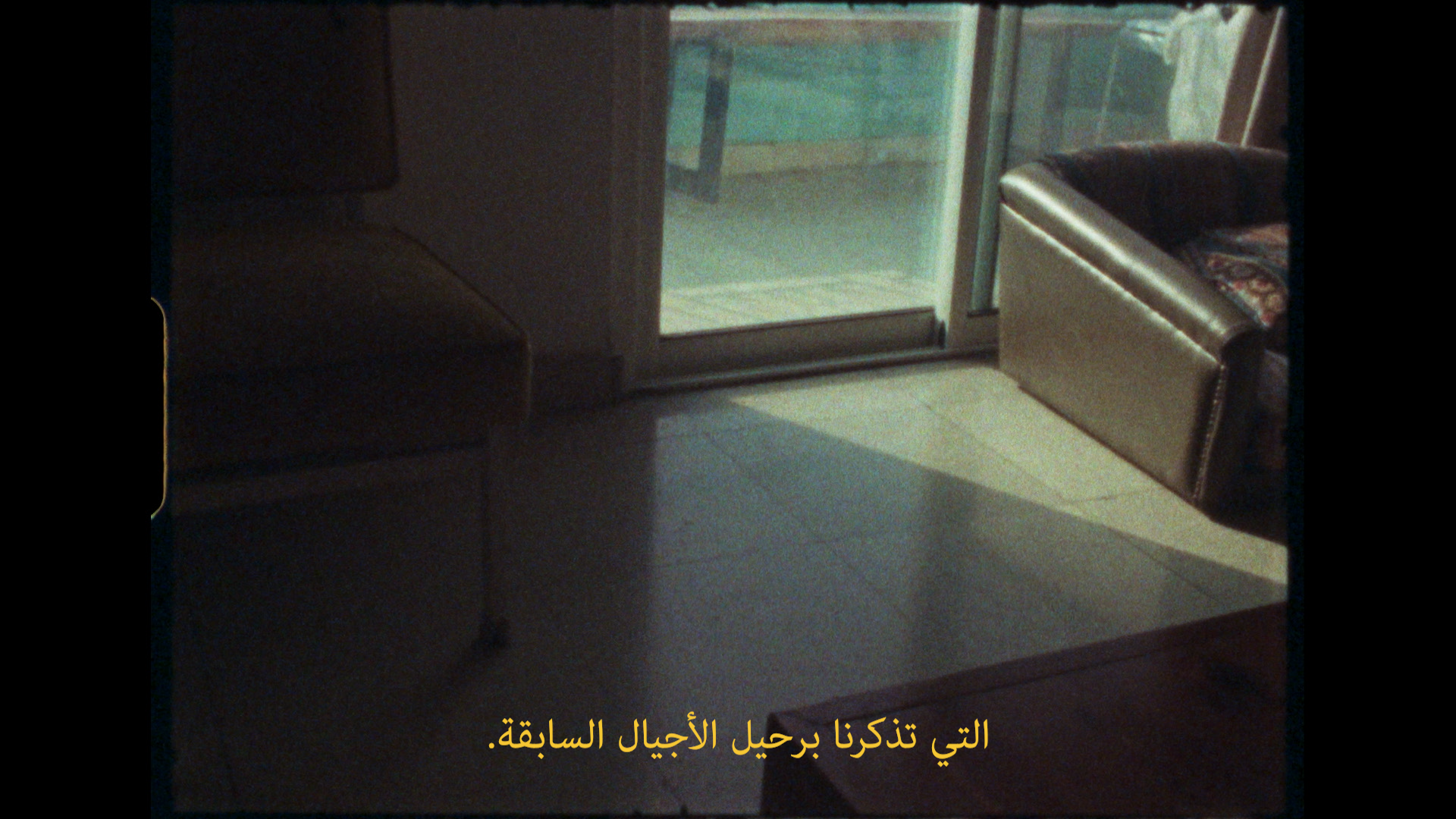
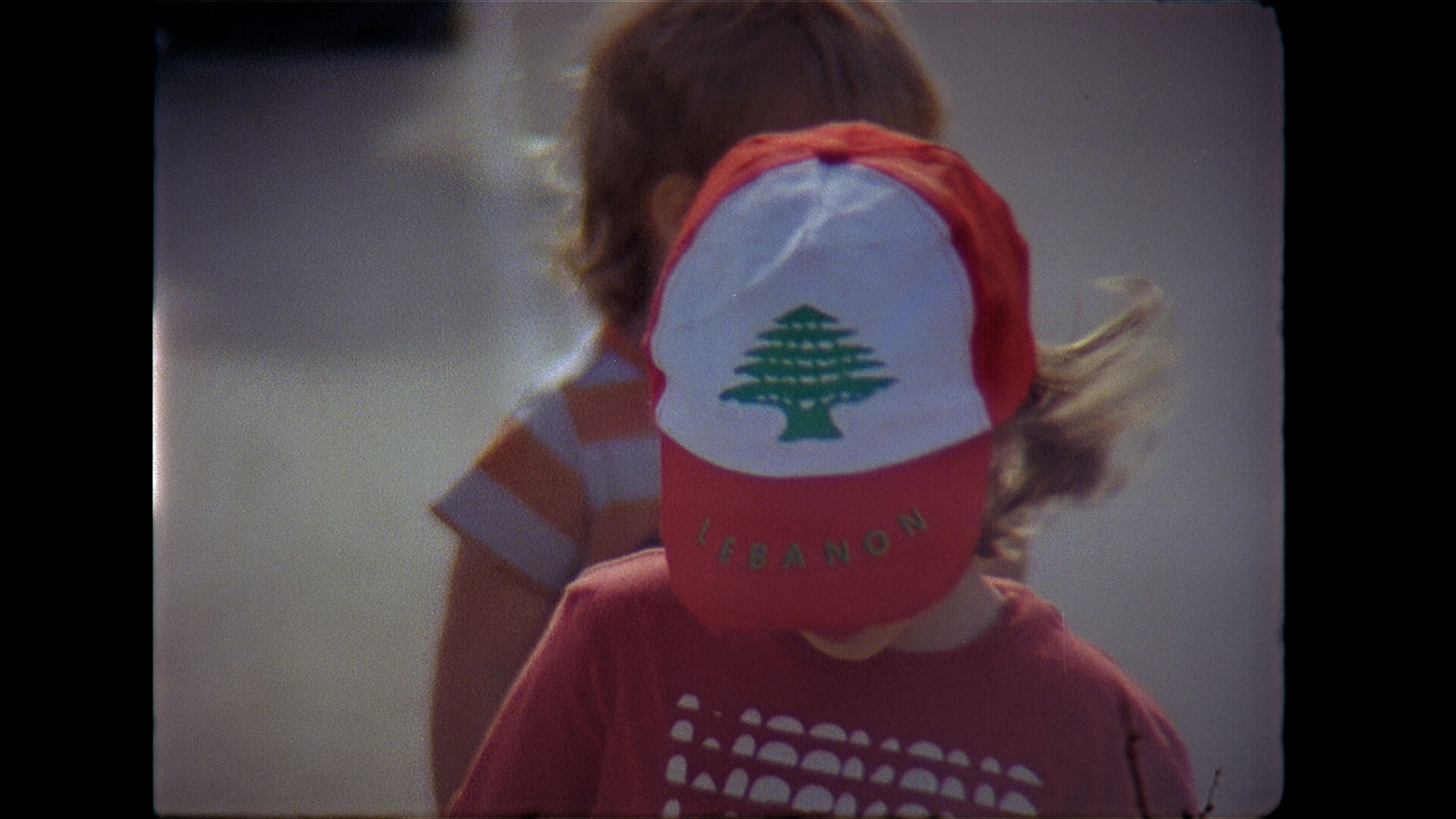
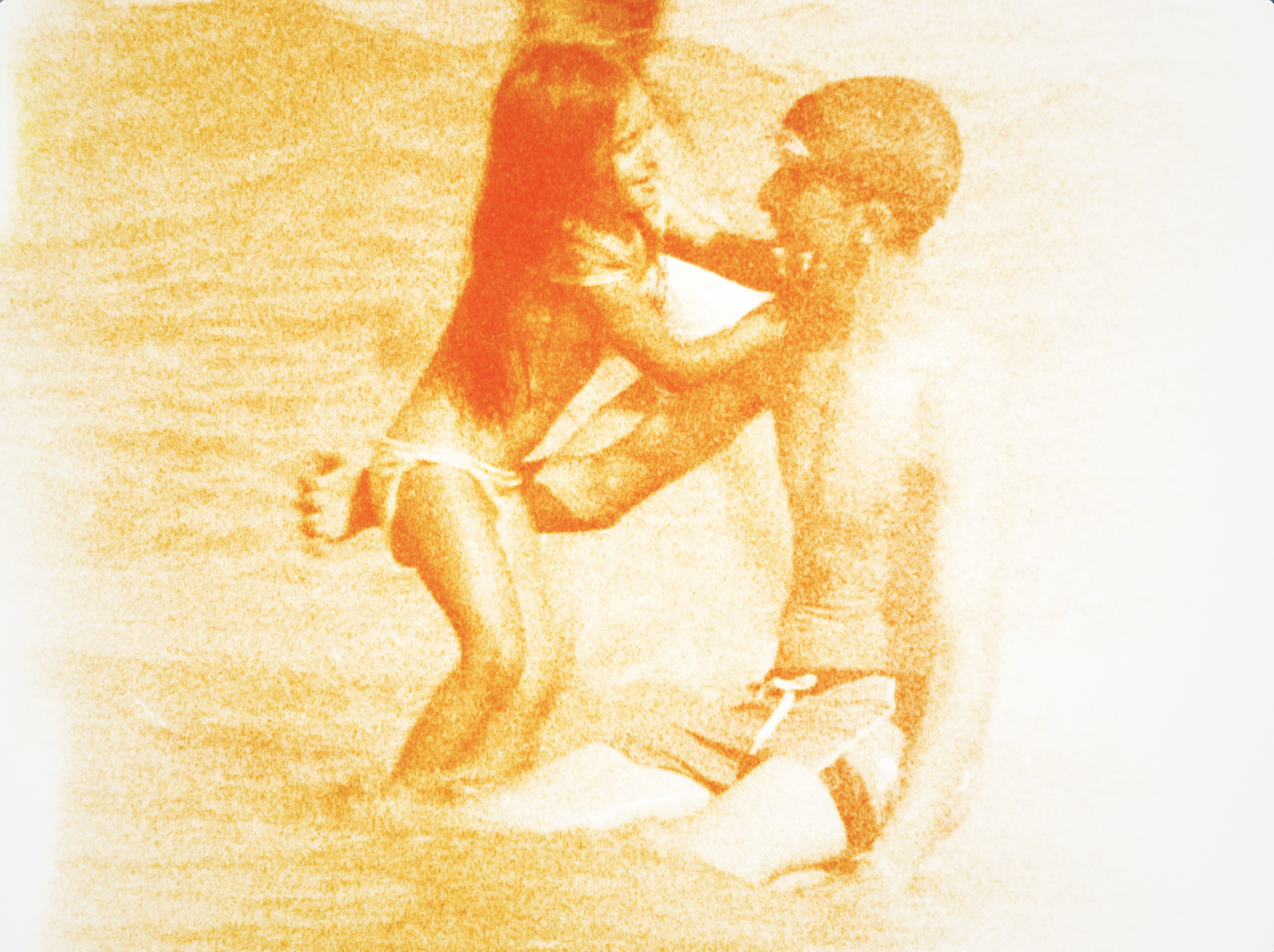
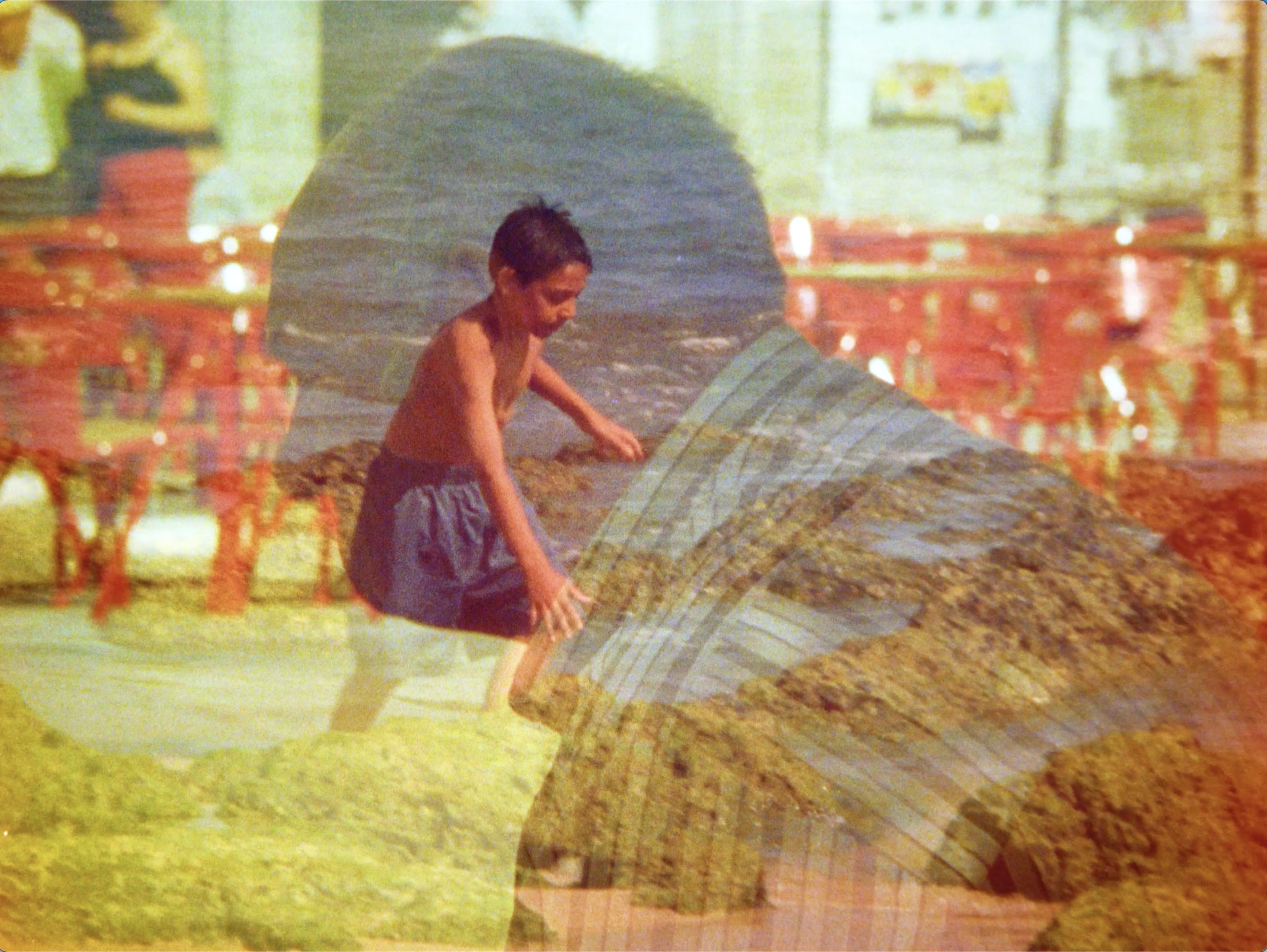
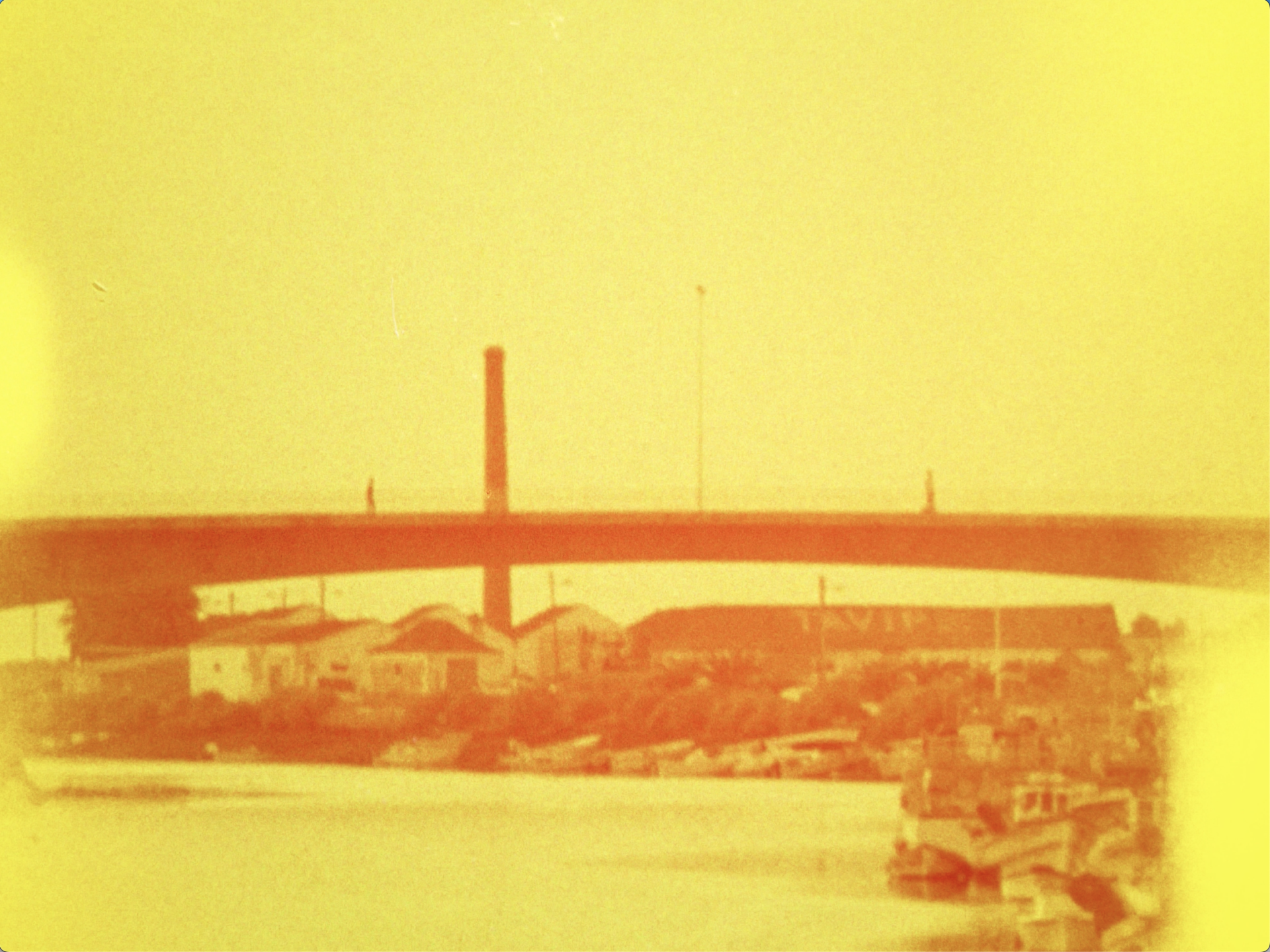
Des lettres adressées à une ancêtre maternelle invitent à une réflexion sur l’identité liée à l’héritage ethnique, tout en embrassant une notion plus large de la famille, au-delà des liens du sang. En entremêlant des images et des sons issus des liens personnels de la réalisatrice avec deux villes — Détroit et Beyrouth —, le film pose la question centrale suivante : comment nous appartenons-nous les uns aux autres ?
Letters to a maternal ancestor reflect on identity connected to ethnic heritage, while also embracing a broader notion of family beyond bloodlines. Weaving images and sounds from the filmmaker’s personal ties to two cities—Detroit and Beirut—the film poses the central question: How do we belong to each other?
Julia Yezbick | 2023 | super 8 vers numérique | 6 mins
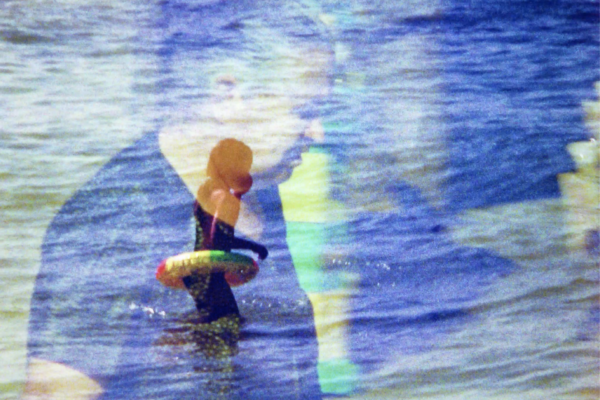
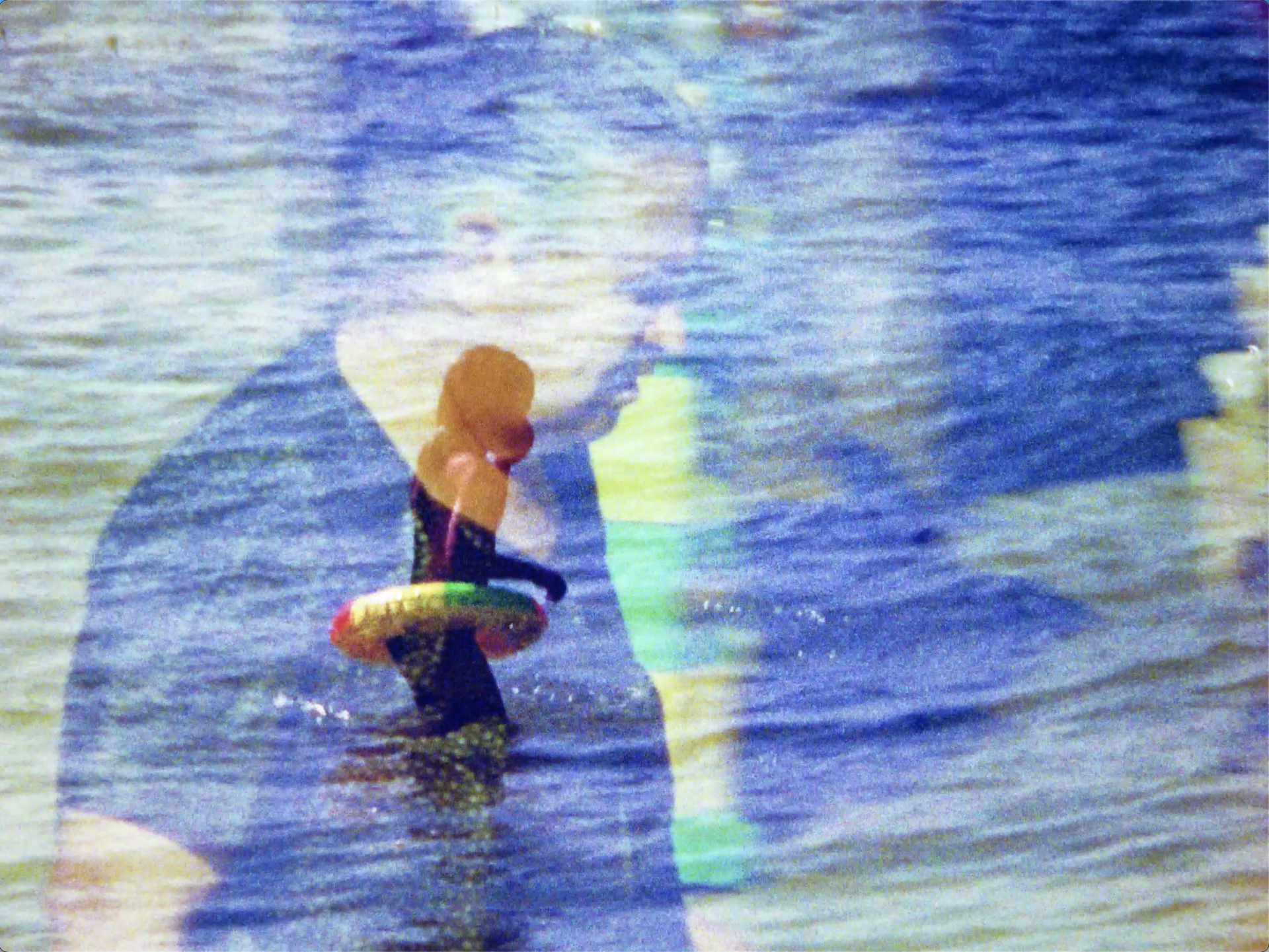
Ce court poème évoque ce qui s’est perdu dans des courants invisibles : un ballon, une main, un être cher. C’est un exercice qui invite à lâcher prise et à accueillir un changement transformateur.
This short poetic piece reaches out for things lost on currents unseen. A balloon, a hand, a loved one. It is a practice in letting go and allowing for transformative change.
PROGRAMME 2 : CARTE BLANCHE
17.09.2026 | 19h30 | la lumière collective
- Formation
- BLK
- The Portraits in Us
- Mourners’ Bench
- The Cut
- Untitled works from the Mothlight Workshops
- Distance
- Time Will Tell
- That Bolex Thing
Shanna Maurizi | 2019 | numérique | 8 mins
Dans Formation, les idées se transforment en objets concrets et inversement. Le film a été réalisé à partir de centaines de photographies analogiques, compilées directement à partir de la pellicule sans aucune retouche. Des dessins représentant différents objets – un globe, une pyramide jumelée, une sphère – sont gravés à la surface des tirages. Ces dessins se déplacent et évoluent au fur et à mesure que le film défile, telle une incantation, jusqu’à ce que les formes prennent une apparence physique.
In Formation, ideas become solid objects and vice versa. The film was created from hundreds of analog photographs, compiled directly from the camera roll without any editing. Etched into the prints’ surface are drawings of different objects; an orb, a conjoined pyramid, a sphere. The drawings shift and travel as the film plays, like an incantation, until the forms arrive at a physical shape.
Na Forest Lim | 2022 | numérique | 3 mins
blk est un poème visuel qui incarne la voix collective des artistes et poètes noirs non cisgenres de Détroit. Articulé autour de la présence inspirante de la poète de Détroit Jassmine Park, il appelle à la reconnaissance, à la compréhension et à la guérison collective au sein d’une communauté souvent marginalisée et incomprise.
blk is a visual poem that embodies the collective voice of Detroit’s Black non-cis male artists and poets. Centered around the inspiring presence of Detroit poet Jassmine Park, it calls for acknowledgment, understanding, and collective recovery within a community often marginalized and misunderstood.
Kashira Dowridge & Fern Ramoutar | 2026 | numérique | 4 mins
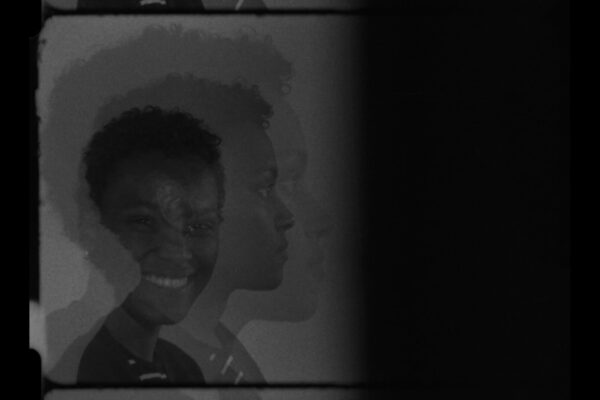
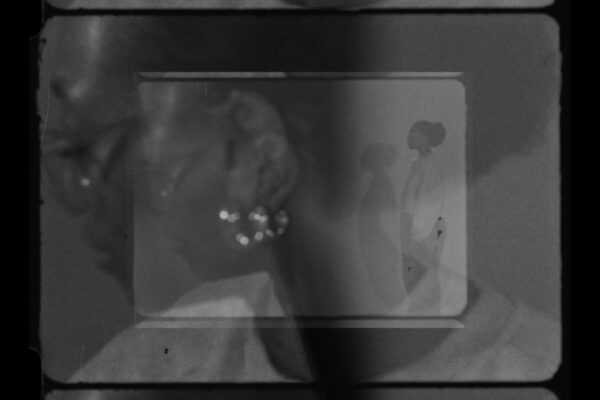
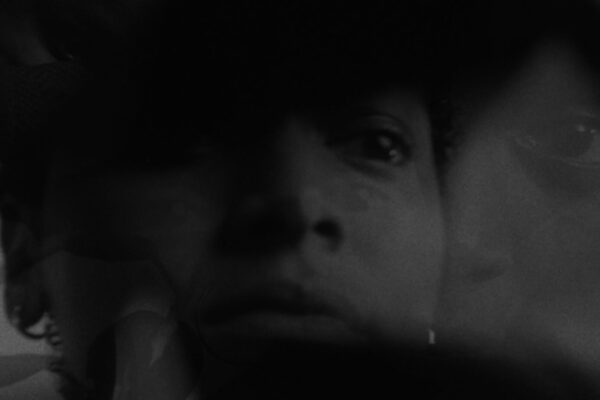
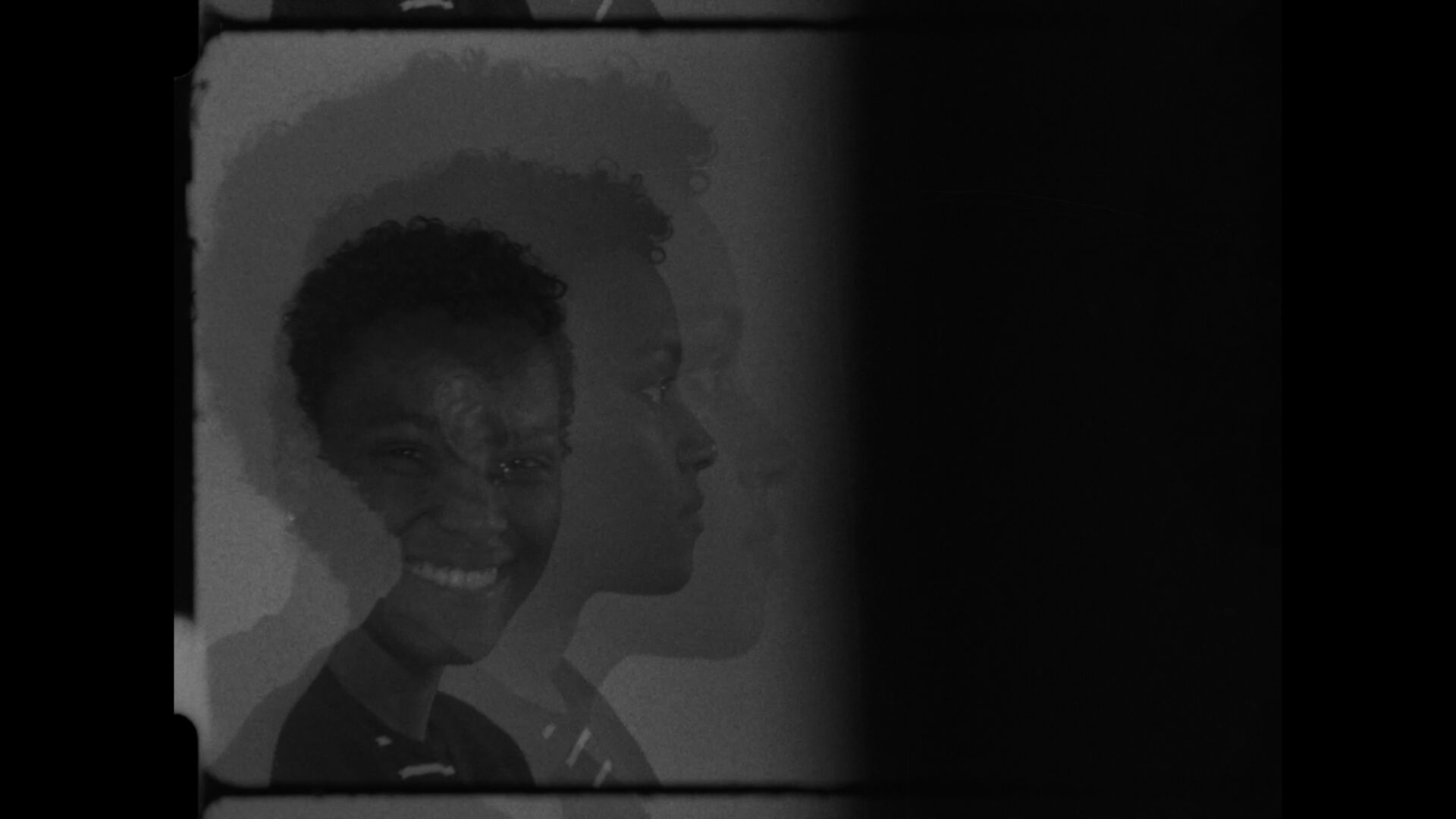
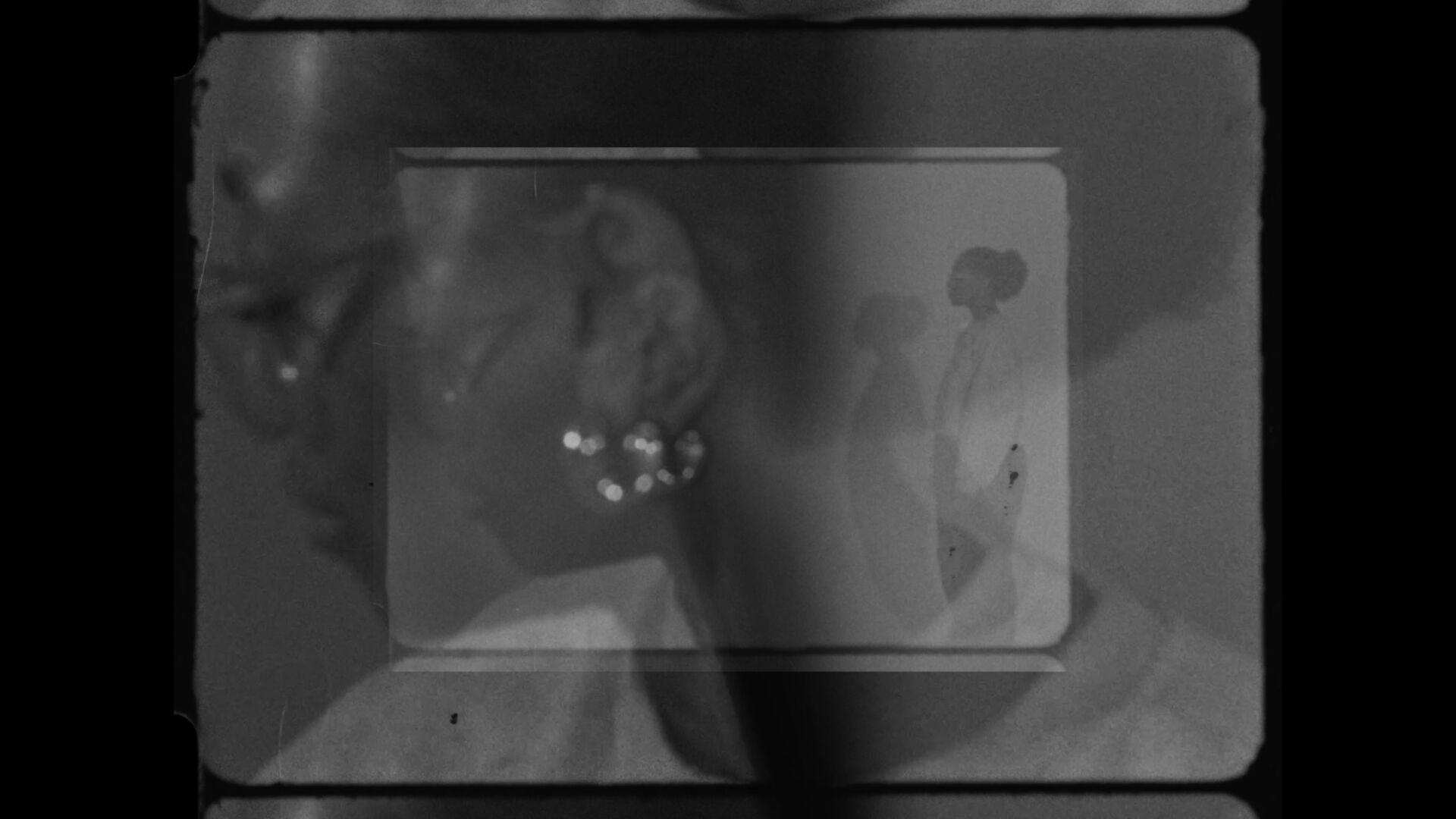
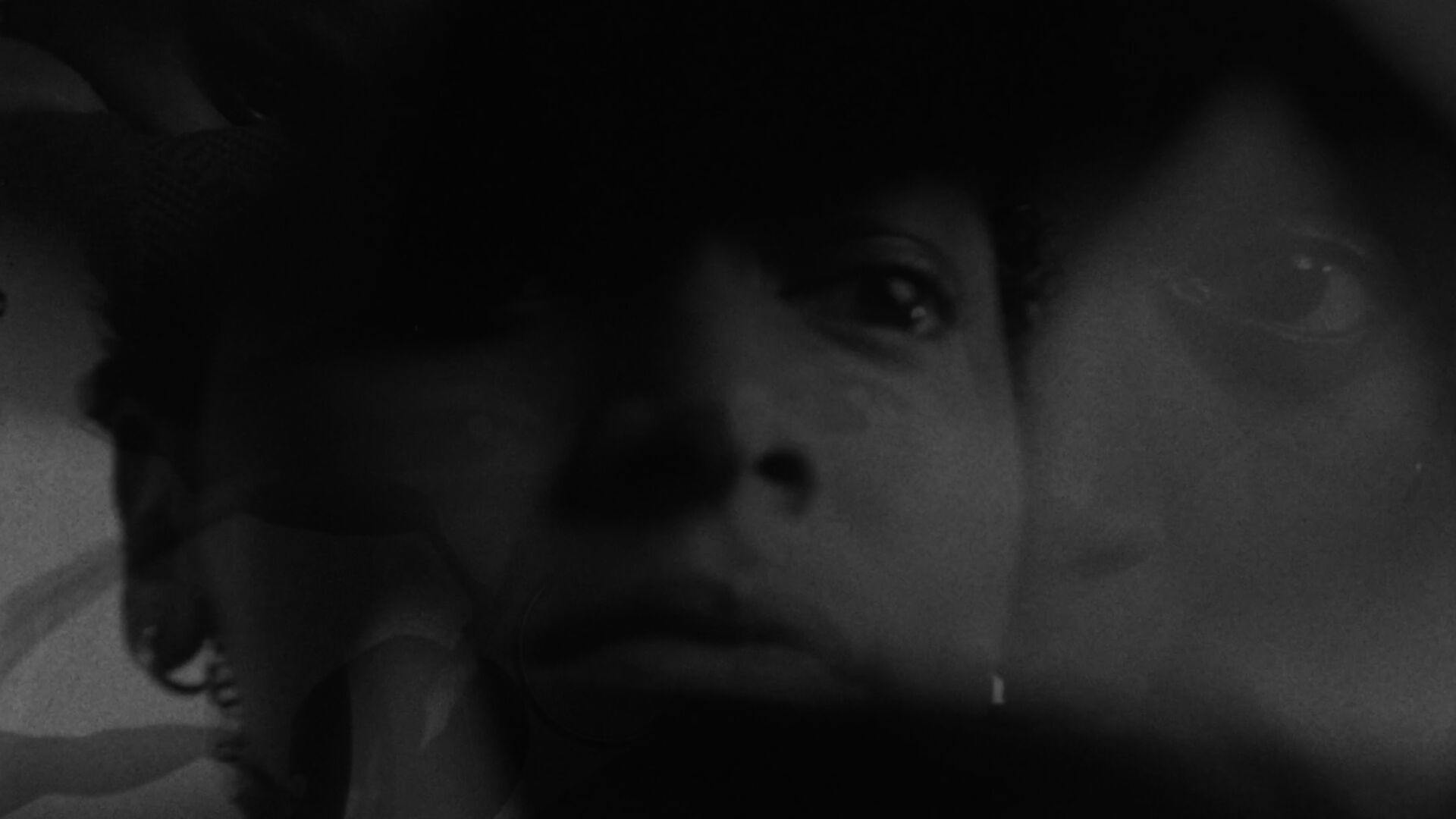
The Portraits in Us est un film expérimental en 16 mm qui explore la mémoire en tant qu’archive émotionnelle. À travers des portraits, des doubles expositions et des images développées à la main, les visages, les gestes et les fragments d’expérience se superposent et se fondent les uns dans les autres. Les histoires personnelles se superposent au sein du cadre, brouillant les frontières entre mémoire individuelle et mémoire collective. Oscillant entre intimité et abstraction, le film explore la manière dont le corps porte en lui ce dont nous nous souvenons — et ce qui nous reste lorsque la mémoire refuse de s’immobiliser.
The Portraits in Us is a 16mm experimental film exploring memory as an emotional archive. Through portraits, double exposures, and hand-processed imagery, faces, gestures, and fragments of experience overlap and dissolve into one another. Personal histories become layered within the frame, blurring the boundaries between individual and collective memory. Moving between intimacy and abstraction, the film considers how the body carries what we remember—and what remains with us when memory refuses to stay still.
bree gant | 2022 | numérique | 1 min
Inspirée du solo de Talley Beatty de 1947, dont elle tire son titre, cette œuvre explore la relation indissociable entre l’espoir et le deuil, l’attente en tant que pratique spirituelle, ainsi que la manière dont de petites impressions banales façonnent le pouvoir. Réalisée en collaboration avec la danseuse Celia Benvenutti et le directeur de la photographie Devin Drake.
Inspired by and titled after Talley Beatty’s 1947 solo, this work looks at the inextricable relationship between hope and grief, waiting as spiritual practice, and how small, mundane impressions shape power. Made in collaboration with dance artist Celia Benvenutti and cinematographer Devin Drake.
Jeremy Brockman | 2025 | numérique | 26 mins
Lorsqu’un ancien combattant en difficulté rentre chez lui pour se réconcilier avec son frère, dont il s’est éloigné, un obstacle inattendu menace de faire dérailler son parcours vers la guérison.
When a troubled veteran returns home to reconcile with his estranged brother, an unexpected challenge threatens to derail his journey of healing.
Njia Kai & Kristen Gallerneaux | 2023-25 | numérique | 9 mins
En 2022, Julia Yezbick et Shanna Maurizi se sont rencontrées dans un café situé à l’angle de Livernois et de Mothlight Workshops a vu le jour. Depuis, nous avons organisé plusieurs ateliers de plusieurs jours avec divers partenaires à travers la ville, notamment Carpenter Creative Corridor et Detroit Narrative Agency, et nous prévoyons d’en organiser bien d’autres dans les années à venir. L’objectif de ces ateliers est de créer un écosystème local autour de la réalisation de films en 16 mm, de rassembler des personnes autour d’une passion commune pour l’expression créative, et de montrer que cette pratique est plus accessible qu’on ne le pensait auparavant. Mothlight Workshops propose des ateliers gratuits de réalisation de films en 16 mm, des projections publiques et l’accès à du matériel afin de renforcer la présence du cinéma argentique parmi les habitants de Détroit, quels que soient leur milieu social et leur niveau d’expérience.
In 2022 Julia Yezbick and Shanna Maurizi met in a cafe on Livernois and Mothlight Workshops was born. Since then we’ve held several multi-day workshops with various partners around the city including Carpenter Creative Corridor and Detroit Narrative Agency, and plan to hold many more in the coming years. The aim with these workshops is to build a local ecosystem around 16mm filmmaking, to gather people around a common love for creative expression, and to demonstrate that this practice is more accessible than people might have previously assumed. Mothlight Workshops offers no-cost 16mm filmmaking workshops, public screenings, and equipment access to help build a deeper and more active celluloid film presence among Detroiters from all walks of life and experience levels.
Jeremy Brockman | 2023 | numérique | 3 mins
Kashira Dowridge | 2025 | numérique | 10 mins
Time Will Tell est un film expérimental qui met en scène une conversation entre le « moi » d’hier et celui d’aujourd’hui. À travers la voix, l’image et le son, des fragments de mémoire se déploient sous la forme d’un dialogue intérieur intime, révélant comment l’identité évolue au gré de la réflexion, du doute et de l’expérience vécue. Plutôt que de suivre un récit linéaire, le film s’attarde sur les espaces qui séparent ce que nous étions de ce que nous devenons. Time Will Tell s’interroge sur ce qui se passe lorsque nous prêtons une oreille attentive à la personne que nous étions autrefois — et sur la question de savoir si la compréhension de notre passé peut changer la façon dont nous avançons dans la vie.
Time Will Tell is an experimental film that stages a conversation between past and present selves. Through voice, image, and sound, fragments of memory unfold as an intimate internal dialogue, revealing how identity changes through reflection, doubt, and lived experience. Rather than moving through a linear narrative, the film lingers in the spaces between who we were and who we are becoming. Time Will Tell asks what happens when we listen closely to the person we once were—and whether understanding our past can change the way we move forward.
Paul Echeverria | 2024 | 16mm vers numérique | 3 mins
La Bolex est une caméra de cinéma de fabrication suisse qui a joué un rôle déterminant dans le développement du cinéma indépendant et d’avant-garde. Lancée dans les années 1920, cette caméra, grâce à sa conception légère et portable, est devenue un choix accessible pour les cinéastes qui souhaitaient s’affranchir des contraintes des grandes productions de studio. Son prix abordable a démocratisé le processus de réalisation cinématographique, permettant ainsi aux cinéastes d’explorer de nouvelles voies créatives et de repousser les limites de l’art cinématographique.
The Bolex is a Swiss-made film camera that played a pivotal role in the development of independent and avant-garde filmmaking. Introduced in the 1920’s, the camera’s lightweight and portable design made it an accessible choice for filmmakers who wanted to break away from the constraints of large studio productions. The affordable price point democratized the filmmaking process, enabling filmmakers to explore new creative avenues and push the boundaries of the art of cinema.